
Why Are 2026 Canadian Home Building Timelines Slowing Down?
Why Are 2026 Canadian Home Building Timelines Slowing Down?
If you are planning to build a new property or buy a pre-construction unit this year, you need to understand that the time it takes from getting a building permit to actually breaking ground is changing rapidly across Canada. Navigating the real estate landscape requires more than just looking at listing prices. It requires looking deeply at the underlying supply chain and municipal delay factors that directly affect your mortgage financing, rate hold periods, and eventual occupancy dates.
As we examine the current Q1 2026 data on building permit-to-start durations, a distinct gap has appeared between various major metropolitan areas. For property owners and prospective buyers living in Kamloops, these national shifts offer essential lessons on how local inventory will behave over the next twelve to twenty-four months. Whenever construction timelines stretch out, the immediate result is a reduction in incoming housing supply, which heavily protects existing home values while putting upwards pressure on the local rental market.
The Stark Reality of Canadian Construction Delays
National building data reveals that a construction permit is no longer a guarantee of immediate breaking ground. In fact, major urban centers are experiencing some of the longest transition durations in recent history. When I look at the timeline differences between regions, it becomes clear that regulatory hurdles, labor availability, and construction financing costs are creating immense regional disparities.
For example, completing the administrative and preparation phase for high-density multi-family structures now routinely takes upward of eight to twelve months in heavily regulated zones like Vancouver and Toronto. Conversely, smaller municipal centers and specific Western provinces are moving projects from paper to physical foundations in a fraction of that time. As an investor or home buyer, you must factor these specific timelines into your long-term planning, especially when securing pre-construction builder loans or extended mortgage pre-approvals.
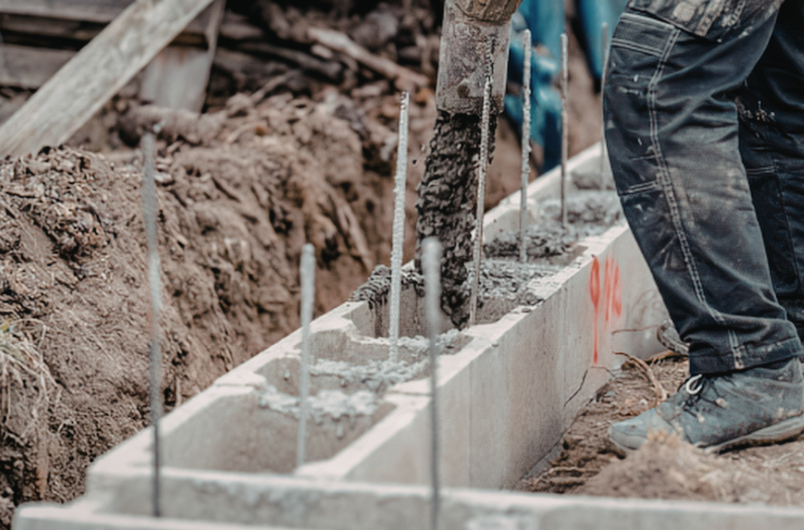
Comparing Building Durations Across Major Canadian Metros
To give you a comprehensive picture of what is happening on the ground across Canada, let us break down the standard time frame between building permit issuance and the actual start of construction. The following data highlights the average duration measured in months for residential developments across Canada's key metropolitan markets during the first quarter of 2026.
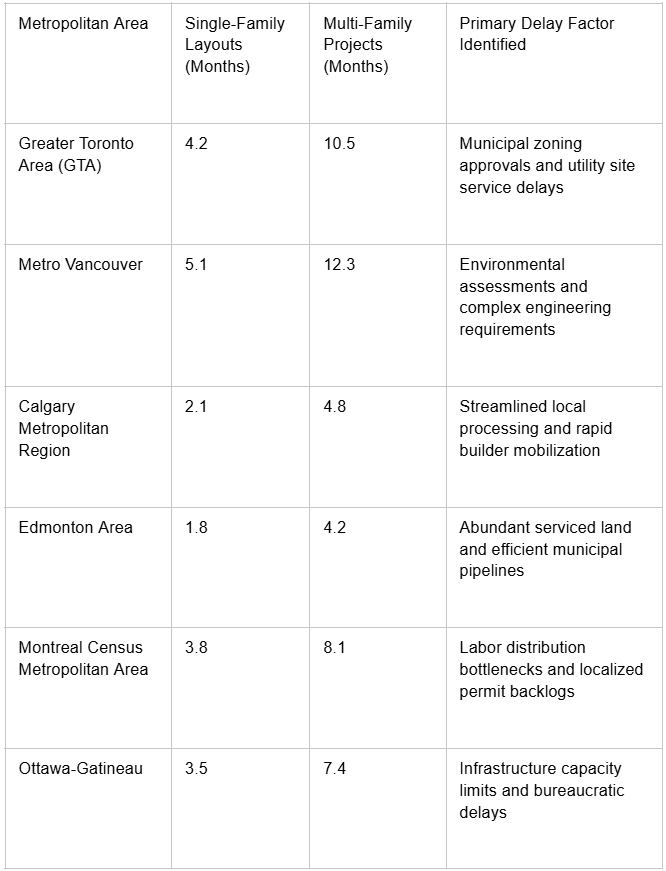
Analyzing this information reveals that Western Canadian cities possess an impressive operational velocity. If you are an investor looking to maximize your capital turnaround, waiting over a year just to see construction begin on a Vancouver multi-family development adds severe risk, especially with fluctuating interest rates. Meanwhile, a project in Alberta can be well underway within a single quarter, significantly reducing the carrying costs of your initial land or construction loans.
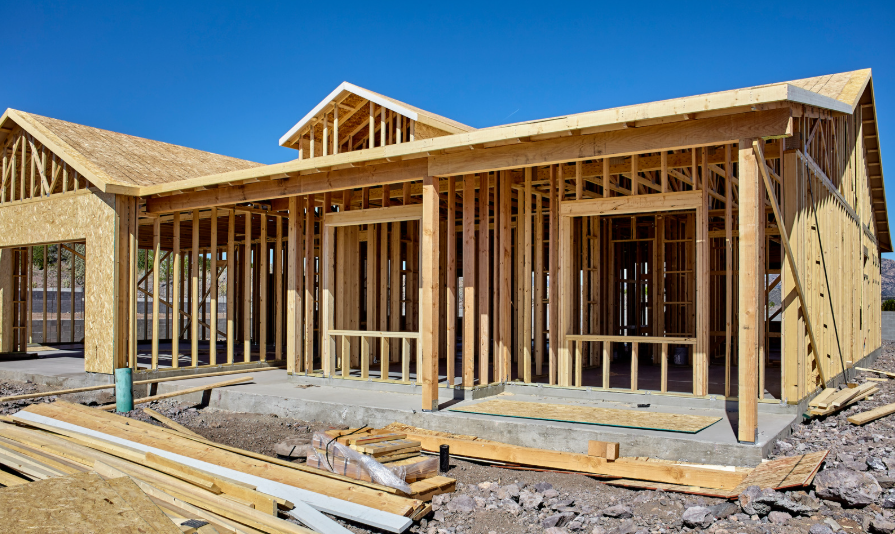
How Timeline Extensions Shift Your Mortgage Strategy
Longer construction timelines modify how we must approach mortgage financing. When you buy a pre-construction home, standard mortgage rate commitments from traditional lenders generally last between 90 to 120 days. If the developer cannot break ground on time because of extended municipal permit-to-start durations, your original financing commitment will expire long before completion.
To shield yourself from this exposure, you need to implement specific financing strategies:
Secure Extended Builder Rate Holds: Some specialized lenders offer project rate holds that extend up to 24 or 36 months specifically for pre-construction properties, protecting you from sudden upward rate movements.
Evaluate Milestones for Progress Draw Mortgages: If you are building a custom home in Kamloops, your funds are released in intervals based on construction phases. Delays in starting mean you carry interest on your initial land purchase for much longer than anticipated.
Prepare Contingency Capital: A delayed start frequently results in higher overall material and labor costs by the time construction finishes. Having a financial cushion ensures your loan-to-value ratio stays within acceptable lender parameters.
Local Real Estate Implications for Property Owners
What does this mean for the local housing stock right here in Kamloops? When building starts to slow down, the immediate effect is a drop in future inventory. If you currently own a home, this dynamic acts as a natural floor for your property value. Because new options are slower to arrive on the market, buyers are continually funneled back into the resale market, keeping demand competitive.
For individuals currently renting or looking to enter the market for the first time, these statistics emphasize why waiting for a massive drop in home prices due to oversupply is generally an unreliable strategy in Canada. Our administrative timelines are simply too restrictive to allow a sudden flood of new housing. To position yourself properly, it is wise to review your borrowing capacity now and secure your position in the market before further inventory contractions increase competition.
Let's Navigate the Changing Market Together
Whether you are trying to structure a construction loan for a custom build or looking to secure a long-term pre-construction rate hold in Kamloops, I am here to help you design a reliable roadmap. Let's look over your options today to ensure your investment stays safe from unexpected delays.
Contact Details: Call us at +1 250-320-5555 or email [email protected] to schedule your personalized strategy session.


